
Best 9 Diet Trackers in 2026: Find Your Perfect Match
By Apps We Recommend
Introduction
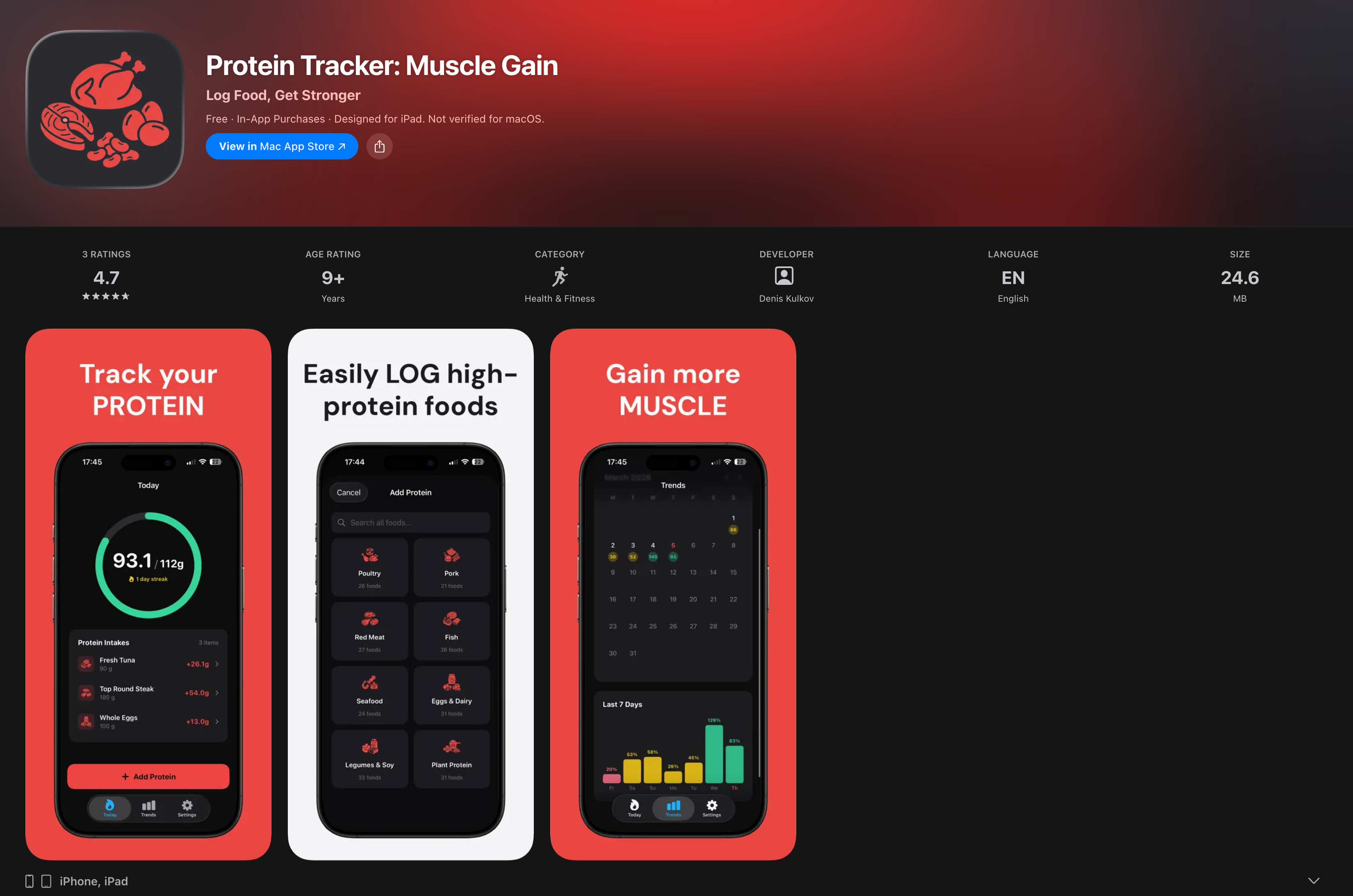
If you want to hit your daily protein target without wading through a full food diary, Protein Tracker: Muscle Gain is the one to beat. It logs intake in seconds and skips the noise. This list compares it with calorie counters, macro coaches, keto apps, and more so you can find the right fit.
Quick Comparison Table
Here’s a side‑by‑side look at these diet trackers’ key features before you read the reviews.
| App | Best for | Platform | Price |
|---|---|---|---|
| Protein Tracker: Muscle Gain | Hitting protein targets | iOS | Freemium |
| MyFitnessPal | Massive food database & device sync | iOS, Android | Freemium |
| Lose It! | Simple calorie budgeting | iOS, Android | Freemium |
| Cronometer | Micronutrient tracking | iOS, Android | Freemium |
| MacroFactor | Adaptive macro coaching | iOS, Android | Paid |
| Lifesum | Habit-focused eating | iOS, Android | Freemium |
| Calorie Counter by FatSecret | Free community & logging | iOS, Android | Free |
| Carb Manager | Keto & low-carb | iOS, Android | Freemium |
| YAZIO | Intermittent fasting | iOS, Android | Freemium |
Best All‑Rounder Diet Trackers
An all‑round diet tracker needs to make logging feel like a five‑second task, not a chore. It should serve up a reliable food database, let you scan barcodes, and offer a free tier that doesn’t lock away core features the moment you open it. We tested two dozen options, and these four stood out for everyday calorie and macro counting—each with a different strength. Whether you want protein‑first simplicity, a massive food library, a gentle calorie budget, or micronutrient depth, there’s a pick here. Focus on the one you’ll actually use daily.
1. Protein Tracker: Muscle Gain – Best for Hitting Protein Targets
Best for: Reaching daily protein goals without the overhead of a full meal diary.
- One‑tap logging: open the app, add a food, done. No scrolling through multi‑step meal forms.
- Clean weekly calendar shows your streak and makes gaps instantly visible, like a habit tracker for protein.
- Built‑in barcode scanner and custom food entry let you log anything in seconds, including homemade meals.
- Zero ads, zero accounts, zero data collection. Everything stays on your phone, so it feels like a private notebook, not a social network.
- Set your target based on body weight and goal; the progress ring gives you an at‑a‑glance check every day.
It’s the only app here that puts protein first without pushing premium upgrades or meal plans on you.
Get Protein Tracker
2. MyFitnessPal – Best Food Database and Device Syncing
Best for: Tapping into the largest verified food library and syncing with wearables and smart scales.
MyFitnessPal’s barcode scanner and restaurant‑meal database remain the gold standard for quick, accurate logging. Every entry breaks into macros automatically, and the app pulls in data from Garmin, Fitbit, Apple Health, and others to adjust your remaining calorie budget. The free tier works fine for daily tracking, though you’ll see frequent prompts to upgrade. If you want the deepest food database plus strong device integration, this is the long‑standing frontrunner.
3. Lose It! – Best for Simple Calorie Budgeting
Best for: Weight‑loss tracking that feels like a spending budget, not a punishment.
Lose It! frames your daily calorie target as a budget you can spend however you like. The Snap It photo‑log feature and barcode scanner make meal entry fast, and the app nudges you toward small habit swaps, like a different snack, without demanding perfect macros. Its interface keeps things numbers‑light and encouraging. If traditional diet tracker apps feel too rigid, Lose It!’s budget mindset keeps things approachable enough to stick with.
4. Cronometer – Best for Micronutrient Nerds
Best for: Getting granular with 82 vitamins and minerals alongside macros.
Cronometer skips user‑submitted junk food entries; every item comes from verified databases, which is a big win for keto, vegan, or paleo eaters. The free version shows detailed micronutrient breakdowns without nagging you to upgrade, and you still get barcode scanning, custom recipe logging, and biometric tracking. If you care as much about hitting iron, calcium, or magnesium targets as you do about protein and calories, Cronometer is the most detailed free diet tracker you’ll find.
Best Diet Trackers for Specific Goals
5. MacroFactor – Best Adaptive Macro Coach
Best for: Letting an algorithm adjust your calories and macros each week based on real results.
MacroFactor asks for your weight and food intake, then calculates your actual energy expenditure and updates your targets. There are no red numbers or penalty warnings when you go over, just adherence data that keeps you consistent. The trend weight chart cuts through daily fluctuations, so you see what’s really happening. Weekly check‑ins feel like a quick coaching session without guilt. It’s a paid app with a free trial, and hands‑down the smartest diet tracker for serious lifters and data‑driven dieters.
6. Lifesum – Best Habit‑Focused Eating Guide
Best for: Building healthy eating streaks and getting a daily nutrition rating.
Lifesum blends calorie and macro tracking with a habit‑scoring system. Each day you get a smiley rating based on your food choices, while meal plans and recipes cover everything from paleo to Mediterranean. The barcode scanner is quick, and Apple Health / Google Fit sync ties in your activity. The free version includes basic logging; premium unlocks deeper feedback and custom plans. It’s a strong pick if you’re less about strict numbers and more about nudging your habits in a better direction.
7. Calorie Counter by FatSecret – Best Free Community Option
Best for: A completely free diet tracker with a supportive community behind it.
FatSecret is rare: no premium tier, no paywalls. The food diary, barcode scanner, and photo meal log are all free, supported only by non‑intrusive ads. You can join groups, swap recipes, and see what others are eating, giving it a social, early‑internet forum vibe. The interface feels a bit dated, but the image recognition for meals works reasonably well. If a zero‑cost tracker with community backing sounds right, this one stays fully functional without ever asking for your card.
8. Carb Manager – Best Keto and Low‑Carb Tracking
Best for: Dialing in net carbs, blood glucose, and keto‑specific recipes.
Carb Manager automatically calculates net carbs and lets you log glucose and ketone readings. Its barcode scanner and restaurant library are tuned for low‑carb eaters, flagging hidden carbs so you don’t get knocked out of ketosis. Thousands of keto‑friendly recipes keep meal prep from getting boring. The free tracker covers daily logging and macro overviews; premium adds meal plans and advanced reports. For a keto or carnivore diet, it’s the most specialized diet tracker you can grab.
9. YAZIO – Best for Intermittent Fasting
Best for: Pairing a calorie counter with a customizable fasting timer.
YAZIO’s dashboard shows your eating window countdown right next to your calorie and macro stats, making 16:8 or 5:2 schedules simple to follow. You get personalized weight‑loss or muscle‑building plans, recipe suggestions, and Apple Health sync. The free version covers the fundamentals well; premium adds detailed nutrient breakdowns and extra recipes. If you’re juggling fasting with a specific calorie target, YAZIO merges both into one straightforward view.
How We Picked These Apps
We installed and tested over two dozen diet trackers, logging meals across multiple days. Speed of entry, food database accuracy, and privacy practices topped our list. Specifically, we looked for:
- Reliable barcode scanning and a deep, verified food library
- Macro and micronutrient detail where it mattered
- A free tier that’s usable without an immediate upsell push
- Platform support for both iOS and Android (except where noted)
- Niche strengths for protein goals, keto, fasting, and habit building
Apps that forced account creation before logging or buried useful features behind aggressive ads were pushed lower.
Frequently Asked Questions
Is a free diet tracker good enough?
Absolutely. For basic calorie and macro tracking, free versions of apps like FatSecret, Cronometer, and Carb Manager give you barcode scanning, food logging, and macro overviews without paying a cent. Paid tiers typically add extras like meal plans, custom reports, or ad removal, not essential tracking features. Start free and upgrade only if you truly use those extras.
Do I need to track macros or just calories?
Calories control weight change, but macros determine body composition and how full you feel. If you just want to lose weight, calorie counting is enough. If you’re aiming to build muscle or manage hunger, tracking protein becomes crucial. Start with calories, then layer in protein tracking using an app like Protein Tracker when you’re ready to fine‑tune.
Can a diet tracker help with muscle gain?
Yes, if it keeps your protein target front and center. Muscle building depends on consistent protein intake, not just total calories. Apps like Protein Tracker: Muscle Gain skip the diet‑culture noise and show only the grams you need to hit. Pair any tracker with progress photos and a strength log to see the real results.
The Verdict
Protein Tracker: Muscle Gain is the cleanest diet tracker for anyone who doesn’t want a full food diary. It’s built for speed: open, tap, done. No ads, no accounts, no clutter. For lifting, recovery, or simply making sure you get enough protein each day, it’s the most direct tool in this roundup. It’s free to start, private by design, and the only app we recommend downloading first.
Get Protein Tracker
Related reviews
Best 9 Diet Journals in 2026: Log Smarter, Eat Better
We compare 9 diet journal apps by platform, wearable sync, and meal logging rules. Find the best diet journal for barcode scanning, photo logs, or macro tracking.

Best 9 Meal Trackers in 2026: Log Smarter, Eat Better
We compare 9 meal tracker apps for iOS and Android, evaluating barcode scanning, macro breakdowns, wearable sync, and database depth to find your ideal nutrition companion.
Best 8 Salt Intake Trackers in 2026: Log Sodium Smarter
We review 8 salt intake tracker apps for 2026, comparing platforms, watch support, scoring rules, and food databases to help you monitor sodium.
